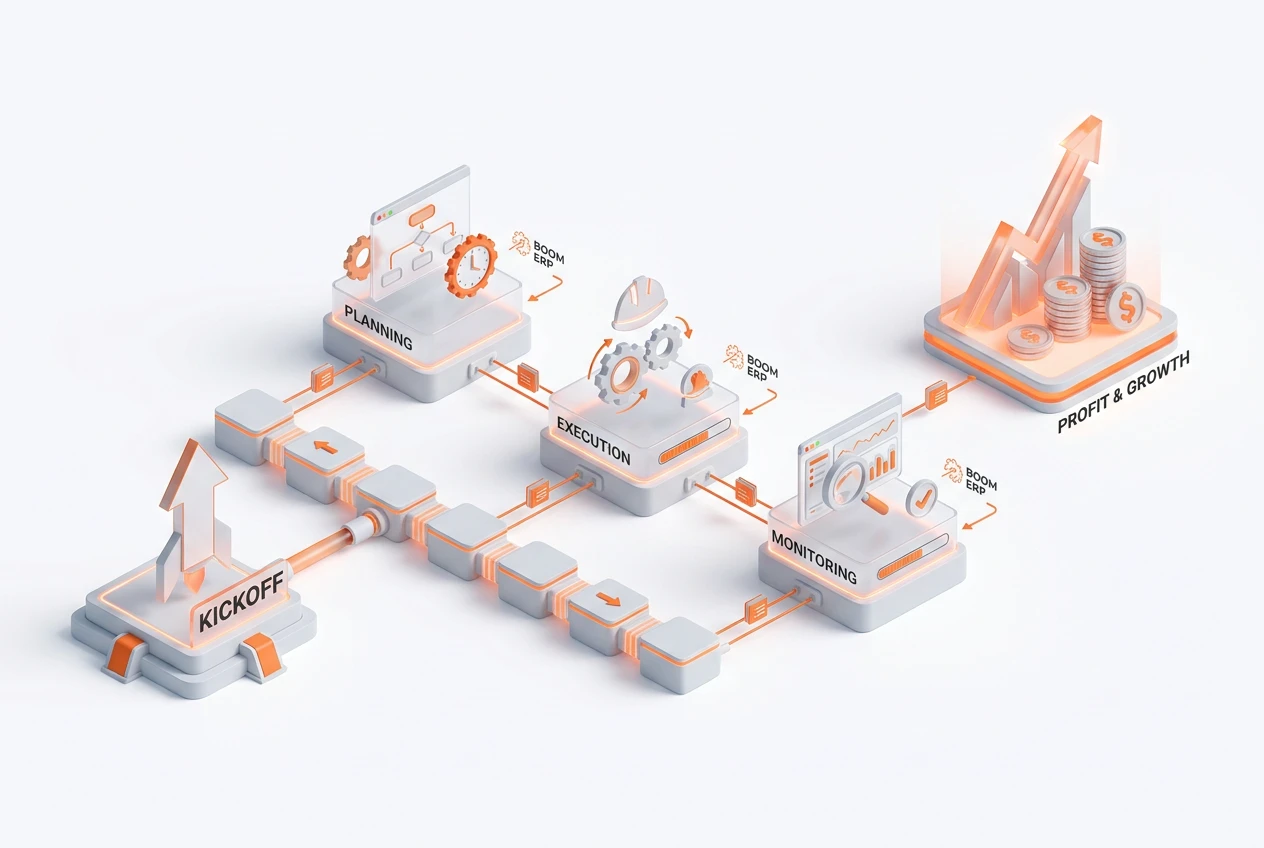
Achieving profitable project delivery is simple. Ensure project profitability by using a platform that connects project tasks with financial data. You must track time, expenses, and resource allocation against the project budget in real-time. Therefore, this allows for immediate course correction on budget overruns. It also prevents scope creep and ensures every billable activity is captured for accurate invoicing. This integrated approach is the key to financial success from kickoff to cash collection.
Why is Real-Time Project Cost Tracking Essential?
Real-time project cost tracking provides an immediate view of your financial health. Waiting for weekly or monthly reports is too slow. By the time you spot a problem, the budget may already be compromised. Consequently, a live dashboard showing expenses as they occur allows managers to make instant, informed decisions. For example, if a task is taking longer than planned, you can adjust resources immediately. This proactive management prevents small issues from becoming large financial losses, ensuring more profitable project delivery.
How Can You Prevent Uncontrolled Scope Creep?
Scope creep is a major threat to profitability. It happens when clients request extra work not covered in the original agreement. To prevent this, you need a system that clearly defines the project scope from the start. Furthermore, any new request should go through a formal change order process within your project management tool. This process documents the change, estimates the cost, and gets client approval before any work begins. This makes every change a new revenue opportunity instead of a hidden cost.
What is Project Profitability Analysis?
Project profitability analysis involves measuring the actual revenue and costs of a project against its planned budget. It is not a one-time calculation. Instead, it is an ongoing process. You should analyze profitability at key milestones and upon completion. This analysis helps you understand which projects, clients, or service types are most profitable. Moreover, platforms like BOOM ERP automate this by linking timesheets, expenses, and invoices directly to the project, giving you clear insights without manual data entry.
How Does Resource Planning Impact Profitability?
Effective resource planning is fundamental to profitable project delivery. It means assigning the right people to the right tasks at the right time. Over-allocating senior, expensive resources to simple tasks can destroy your profit margins. In contrast, assigning under-qualified staff can lead to delays and re-work. A good resource planning tool visualizes team capacity and skill sets. This helps you optimize assignments, ensuring tasks are completed efficiently and within budget, which directly boosts project profitability.
Can You Directly Link Project Tasks to Invoicing?
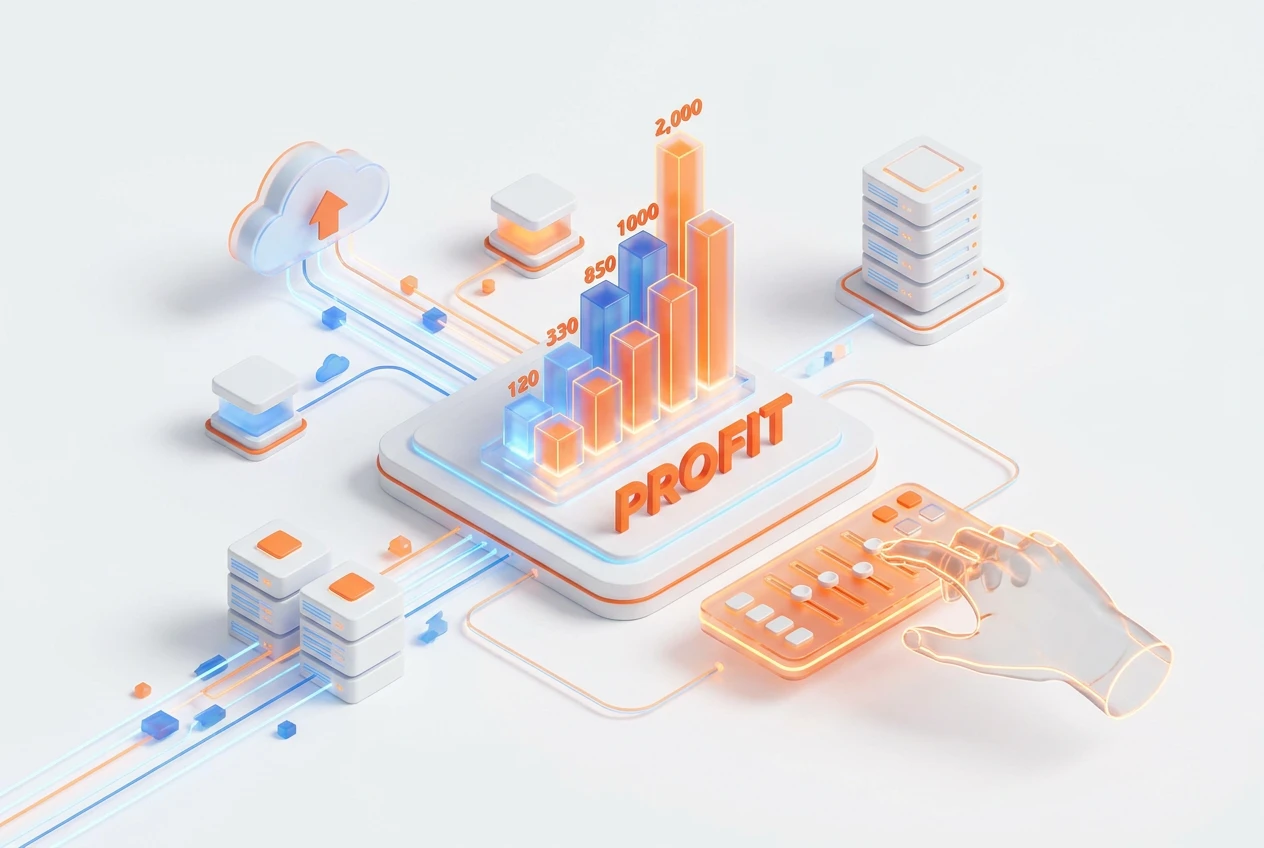
Yes, and you absolutely should. Linking project tasks to invoicing eliminates revenue leakage and speeds up your cash flow. When employees track their time against specific tasks, that billable time can automatically be added to a draft invoice. Consequently, nothing gets missed. This process, a core part of effective project financial management, ensures that every minute of work is accounted for and billed correctly. It transforms your project management system into a revenue generation engine, a key feature of unified platforms like BOOM ERP.
What is the Role of a Unified Platform?
A unified platform replaces the need for multiple, disconnected applications. Instead of juggling separate tools for time tracking, project management, and accounting, you get one seamless system. This single source of truth provides a complete view of your operations from lead to cash. For instance, BOOM ERP connects your sales pipeline, project execution, and financial reporting. This integration reduces administrative overhead, minimizes errors from manual data transfer, and provides unparalleled insights into profitability across your entire business.
How Do You Measure Project Profitability Accurately?
To accurately measure project profitability, you must capture all associated costs and revenues. This goes beyond just billable hours. You need to account for direct costs like contractor fees and software licenses, as well as indirect costs like overhead. An integrated system simplifies this. For example, by tracking all project-related expenses and time within one platform, you can calculate the true profit margin with a simple formula: (Total Revenue – Total Costs) / Total Revenue. This gives you a clear percentage to evaluate performance.
- Centralize Your Data: Use a single platform for projects, time, and financials.
- Track Everything: Record all billable and non-billable time and every expense.
- Monitor Budgets in Real-Time: Set up alerts for when projects approach budget limits.
- Define Clear Scope: Implement a formal change request process for any new work.
- Optimize Resource Allocation: Match skills and cost levels to task requirements.
- Automate Invoicing: Generate invoices directly from approved timesheets and expenses.
- Analyze and Adapt: Regularly review project profitability reports to improve future estimates.
What Makes a Project Unprofitable?
Several factors can erode project profits. Poor initial estimation is a common starting point. If you underbid a project, you are already behind. Additionally, scope creep, where extra work is done for free, is a major culprit. Inefficient resource management, such as having expensive staff on low-value tasks, also hurts margins. Finally, delays in invoicing or failing to capture all billable work directly impacts your cash flow and overall profitability. A strong project financial management system helps mitigate all these risks.
Frequently Asked Questions
What is the first step toward profitable project delivery?
The first step is to create a detailed and accurate project estimate and budget. This includes defining a clear scope, outlining all tasks, estimating time and resources, and getting client sign-off before work begins. This budget becomes the baseline for all project cost tracking.
How does time tracking improve profitability?
Accurate time tracking ensures that all billable hours are captured and invoiced. It also provides data for future project estimates, making them more accurate. Furthermore, it helps identify inefficiencies, showing which tasks take longer than expected so you can adjust your processes.
Why is a unified ERP better than separate apps?
A unified ERP like BOOM ERP provides a single source of truth. It eliminates data silos and manual entry errors that occur when moving information between separate apps. This results in better visibility, more accurate reporting, and streamlined workflows from sales to invoicing.
How can I improve my project estimates?
Improve estimates by analyzing data from past projects. Use a system that tracks actual time and costs against initial estimates. This historical data reveals patterns and helps you create more realistic, data-driven quotes for new projects, leading to better profitability.
What is ‘revenue leakage’ in projects?
Revenue leakage is lost income due to unbilled work, untracked expenses, or unapproved scope changes. It often happens when project activities are not tightly connected to the financial system. Centralizing project management and invoicing in one platform helps prevent this.
Stop juggling spreadsheets and disconnected apps. A unified system is the foundation for profitable project delivery. BOOM ERP provides an end-to-end solution that connects every task to your bottom line, from initial estimate to final payment. Discover how our integrated tools can simplify your operations and boost your profits. Ready to take control? Learn more about our powerful features or start your 7-day free trial today. You can also follow us on Facebook!