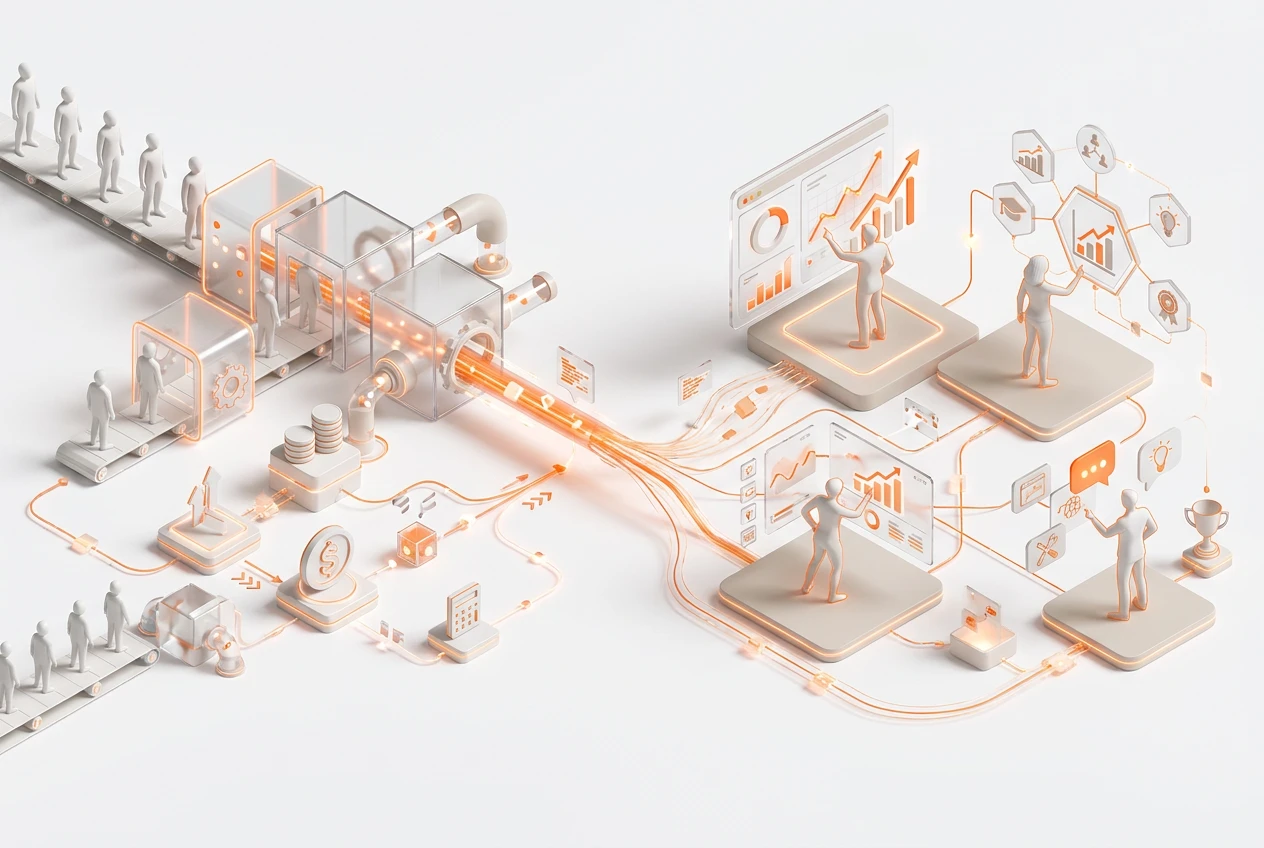
A strategic HR and payroll approach transforms your operations. Unifying HR and Payroll with a single ERP system automates administrative tasks, eliminates data silos, and reduces errors. This subsequently frees up HR professionals to focus on strategic initiatives like talent management, workforce analytics, and improving employee experience. Consequently, this turns a traditional cost center into a value-generating business partner.
What Is Strategic HR and Payroll?
Strategic HR and payroll moves beyond simple administrative functions. Instead of just processing paychecks and managing leave, it aligns human resources with core business objectives. This means using employee data to make smarter decisions. Furthermore, it focuses on talent development, employee engagement, and long-term workforce planning. A strategic approach sees your people as the most valuable asset for growth. Therefore, it requires tools that provide insight, not just process transactions.
Why Do Separate Systems Create Bottlenecks?
Using different software for HR and payroll creates significant problems. Data becomes trapped in silos, leading to inconsistencies and manual data entry. For example, updating an employee’s details in one system but not the other causes payroll errors and compliance risks. This constant double-checking wastes valuable time. Moreover, it prevents you from having a single, accurate view of your workforce, making strategic planning nearly impossible. These inefficiencies keep HR teams stuck in administrative cycles.
How Does a Unified HR Platform Solve These Issues?
A unified HR platform, like BOOM ERP, combines all people-related functions into one ecosystem. This immediately eliminates data silos and duplicate entries. When an employee’s information is updated, it’s instantly reflected everywhere, from attendance to payroll. Consequently, this automation drastically reduces errors and frees up your team. Instead of managing software, your HR professionals can manage talent. This shift is fundamental to becoming a strategic business partner.
What Are the Key Benefits of Payroll Automation?
Payroll automation is a cornerstone of strategic HR. It ensures employees are paid accurately and on time, which is crucial for morale. Additionally, it handles complex calculations for taxes and deductions automatically, reducing compliance risks. BOOM ERP, for instance, provides an end-to-end workflow that simplifies this entire process. This efficiency not only saves countless hours but also provides clear, auditable records. Therefore, your team can focus on analyzing labor costs rather than just processing them.
How Does a Unified System Enhance the Employee Lifecycle?
Managing the entire employee lifecycle becomes seamless with a unified system. From recruitment and onboarding to performance reviews and eventual offboarding, all data resides in one place. This creates a consistent and positive employee experience. For example, a new hire’s data from the applicant tracking system can automatically populate their employee profile and payroll setup. Later, performance data can inform compensation reviews within the same platform. This holistic view is essential for effective employee lifecycle management.
What Is the Role of HR Analytics in a Modern ERP?
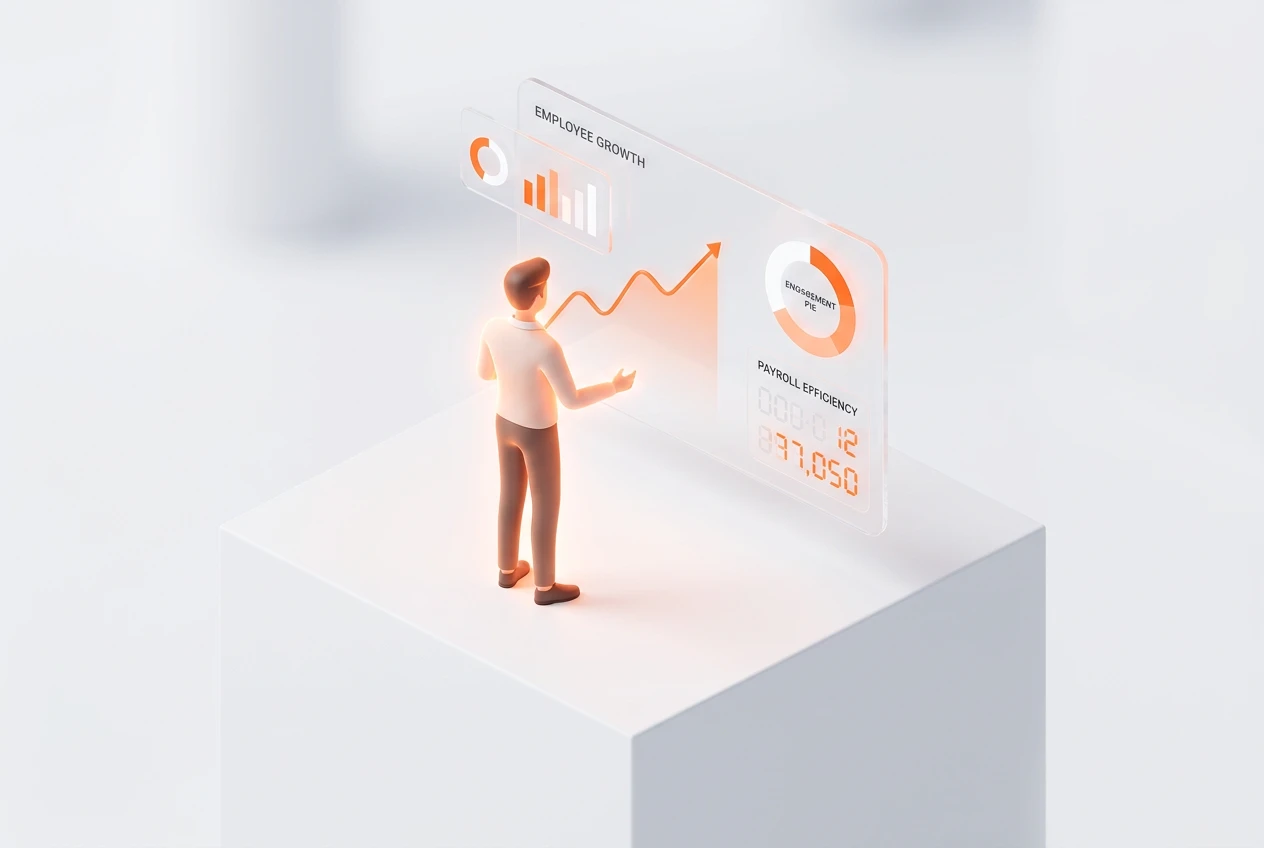
HR analytics transform raw data into actionable business intelligence. A powerful HR analytics ERP provides dashboards and reports on key metrics. You can track employee turnover, compensation trends, and departmental productivity. These insights help you identify problems before they escalate. For instance, high turnover in a specific team might signal a management issue. With this data, you can make informed decisions that improve retention and drive performance, directly impacting the bottom line. Explore the tools available on our features page.
How Can You Implement a Strategic HR and Payroll System?
Transitioning to a strategic model involves several key steps. It’s a journey from fragmented processes to a unified, data-driven operation. Success depends on choosing the right technology and aligning your team with new, strategic goals.
- Audit Your Current Processes: First, identify all your current HR and payroll tasks. Note the software used, time spent, and common errors. This reveals your biggest pain points.
- Define Your Strategic Goals: Determine what you want to achieve. Examples include reducing turnover by 15% or improving time-to-hire. Clear goals guide your technology choices.
- Choose a Unified Platform: Select a single ERP system that handles everything. Look for a scalable solution like BOOM ERP that grows with your team and offers role-based security.
- Plan Data Migration: Carefully plan how to move your existing employee data to the new system. A clean data transfer is critical for a successful launch.
- Train Your HR Team: Finally, train your team not just on the software, but on the new strategic mindset. Teach them how to use analytics to advise leadership.
How Does This Strategy Impact Company Culture?
Adopting a strategic HR and payroll model significantly improves company culture. When employees are paid correctly and have easy access to their own information, trust increases. Moreover, when HR has the bandwidth to focus on development, engagement, and fair performance reviews, employees feel more valued. This positive environment directly boosts morale and productivity. It shows your team that the company invests in both its people and its operational excellence.
Frequently Asked Questions
What is the main benefit of a unified HR system?
The main benefit is creating a single source of truth for all employee data. This eliminates errors, saves time, and provides the accurate analytics needed for strategic decision-making.
How does payroll automation reduce risk?
Payroll automation reduces risk by ensuring compliance with tax laws and regulations. It automates complex calculations, minimizing the chance of human error that could lead to penalties.
Can a small business use a strategic HR and payroll guide?
Absolutely. The principles of this strategic hr and payroll guide apply to any size business. A scalable platform like BOOM ERP is designed to support teams of any size, from startups to large enterprises.
What is employee lifecycle management?
Employee lifecycle management is the process of managing an employee’s entire journey with a company. It covers everything from recruitment and onboarding to their growth, and eventual departure.
How long does it take to implement a new HR ERP?
Implementation time varies. However, modern cloud-based systems like BOOM ERP are designed for rapid deployment. With our 7-day free trial, you can start exploring the system immediately.
Is my data secure in a unified HR platform?
Yes. Security is a top priority. Platforms like BOOM ERP use role-based security, meaning employees can only access the information relevant to their position, ensuring data privacy and integrity.
Ready to transform your HR and payroll from a cost center into a strategic hero? A unified platform is the first step. By automating administrative work and unlocking powerful analytics, you can focus on what truly matters: your people. Discover how BOOM ERP’s comprehensive features can streamline your entire operation. Follow us on Facebook for more insights!